GPON vs EPON : complete comparison of the two FTTH standards
Contents
The two standards GPON (Gigabit Passive Optical Network) and EPON (Ethernet Passive Optical Network) dominate FTTH deployments worldwide. Both deliver Gigabit over a point-to-multipoint passive optical network, but their technical choices differ — with consequences for speeds, QoS, cost and maintenance.
This guide compares GPON and EPON across 5 key aspects to help you choose the right standard for your operator, campus or hotel deployment.
Origins: two organizations, two philosophies
| GPON | EPON | |
|---|---|---|
| Organization | ITU-T | IEEE |
| Standard | G.984 (2003) | 802.3ah (2004) |
| Evolution | XG-PON, XGS-PON, NG-PON2 | 10G-EPON, 25G-EPON |
| Encapsulation | GEM (own frame) | Native Ethernet |
| Dominant market | Europe, Americas, major operators | Asia, China, alternative operators |
In France, the incumbent operators (Orange, SFR, Bouygues, Free) mostly deploy GPON and are migrating to XGS-PON (10G symmetrical). EPON is used by some alternative operators and private campuses.
Transmission speeds : GPON vs EPON
| Standard | Download | Upload | Coding |
|---|---|---|---|
| GPON | 2.488 Gbps | 1.244 Gbps | NRZ + FEC RS(255,239) |
| EPON | 1.25 Gbps (1G usable) | 1.25 Gbps (1G usable) | 8b/10b |
| 10G-EPON | 10 Gbps | 1 or 10 Gbps | 64b/66b |
| XGS-PON | 10 Gbps | 10 Gbps | NRZ + FEC |
Speed verdict : GPON > EPON on download (2.488 vs 1 Gbps usable). EPON favors technical simplicity with a symmetrical speed. For 2024+, look at XGS-PON (10G symmetrical) and 10G-EPON.
Split ratio (splitting)
The split ratio determines how many subscribers share the same operator fiber via PLC splitters :
- GPON — officially supports 1:32, 1:64, 1:128. Max distance : 20 km at 1:16, ~10 km at 1:32.
- EPON — natively supports 1:16 to 1:32. Can reach 1:64 or 1:128 but with strong optical constraints (more expensive modules, reduced distance).
Practical optical budget calculation
1:32 splitter → 17.5 dB loss. With 20 km of fiber (7 dB) + 4 connections (1.2 dB) + margin (2 dB), total budget ≈ 28 dB. Compatible with GPON class B+ (29 dB) and EPON PX20+ (29 dB).
Splitting verdict: tie
Both standards are equivalent in practice. The split ratio is limited more by the quality of the optical modules and the real optical budget than by the standard.
Quality of service (QoS)
QoS (Quality of Service) is essential to manage Internet, IPTV, VoIP and enterprise services simultaneously on the same fiber :
GPON
- Native QoS built in the standard via DBA (Dynamic Bandwidth Allocation)
- Native support for Ethernet, TDM (E1/T1), ATM
- Fine granularity : per subscriber profile, per traffic type, per class
- Better suited to premium services (enterprise, IPTV multicast)
EPON
- QoS based on Ethernet 802.1p (8 priority levels)
- No native TDM support (requires emulation)
- Simpler, sufficient for residential
- Less fine-grained to differentiate premium services
Verdict : GPON wins for multi-service and enterprise deployments.
Operations & Management (OAM)
OAM concerns the supervision, configuration and troubleshooting of equipment from the operator center :
| OAM feature | GPON | EPON |
|---|---|---|
| Remote ONT configuration | OMCI (rich) | SLOW (basic) |
| Automatic provisioning | Advanced | Limited |
| Optical diagnostics | Very detailed | Basic |
| ONT firmware update | Automated | Often manual |
Verdict : GPON wins thanks to OMCI, more mature for operator operation.
Deployment cost
Comparative hardware cost (indicative 2026)
- 8-port EPON OLT : 1500-3000 €
- 8-port GPON OLT : 2500-5000 €
- EPON ONU : 30-80 €
- GPON ONT : 50-120 €
EPON is around 30-40% cheaper in hardware CAPEX. A difference often decisive for alternative operators and campuses.
The total cost also depends on :
- Purchase volume — GPON benefits from massive economies of scale among major operators
- Maintenance — GPON OAM reduces long-term operating cost
- Scalability — XGS-PON is more mature than 10G-EPON in 2026
Verdict : EPON wins on CAPEX, but GPON can win on TCO over 5+ years for large-scale deployments.
Which standard to choose ?
Choose GPON if :
- You are a telecom operator with residential and enterprise subscribers
- You want maximum compatibility with the French/European ecosystem
- You need advanced QoS for IPTV multicast or enterprise VoIP
- Your roadmap plans an XGS-PON migration in the future
Choose EPON if :
- Your CAPEX budget is tight (campus, hospitality, alternative operator)
- You manage fewer than 1000 subscribers with standardized services
- Your teams master Ethernet better than TDM/ATM
- You target the Asian market or follow a partner who uses EPON
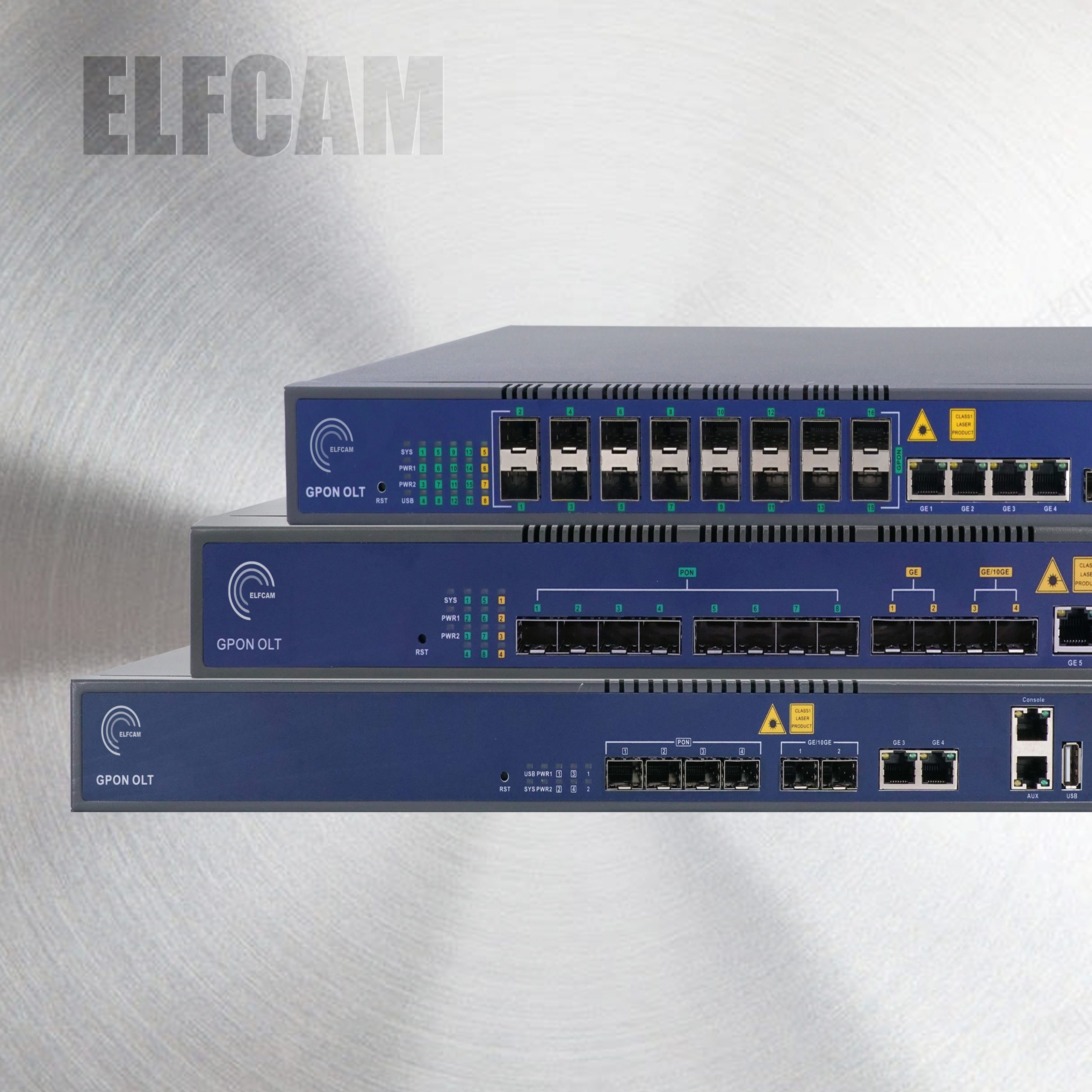
Elfcam products for PON deployment
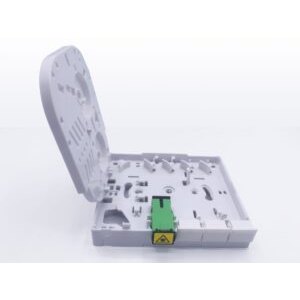
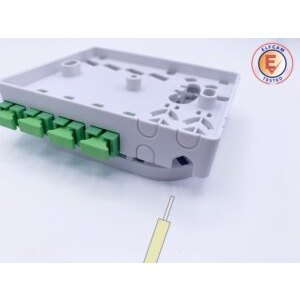
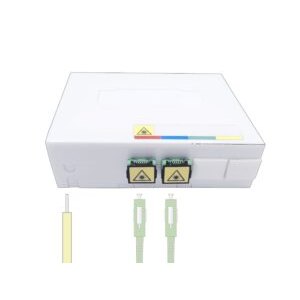
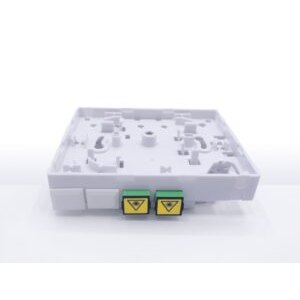
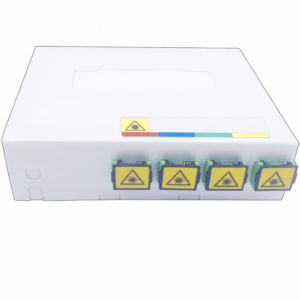
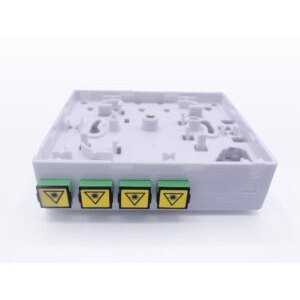
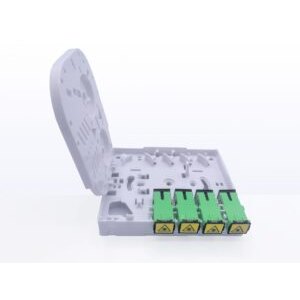
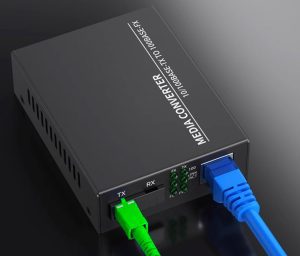
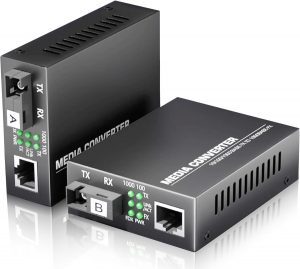
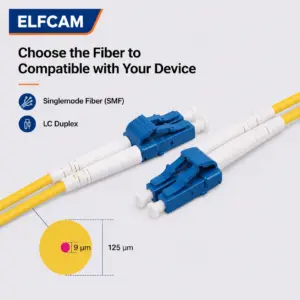
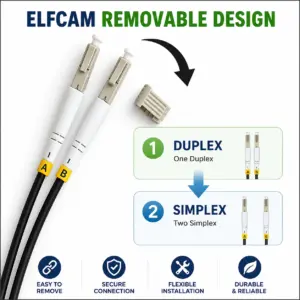
- PLC splitters 1×4, 1×8, 1×16, 1×32, 1×64 compatible with GPON and EPON
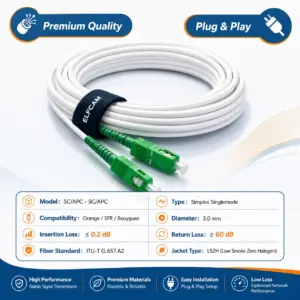
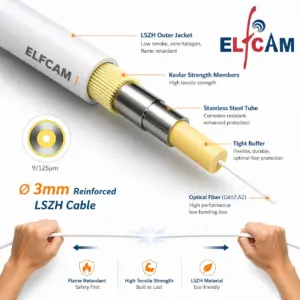
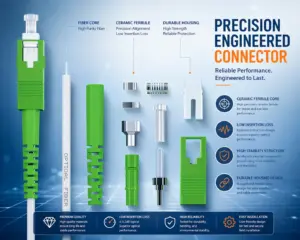
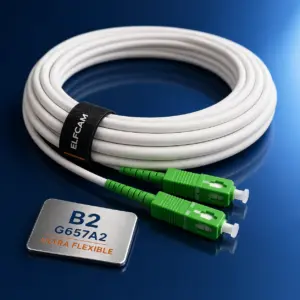
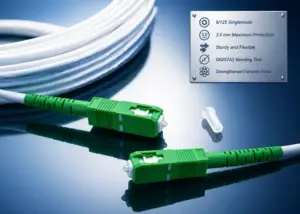
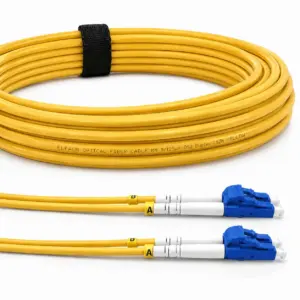
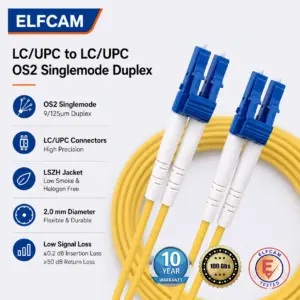
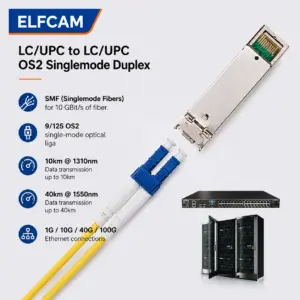
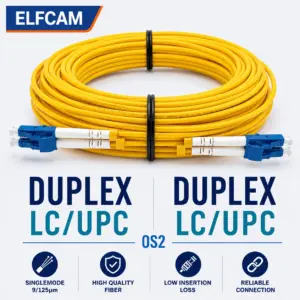
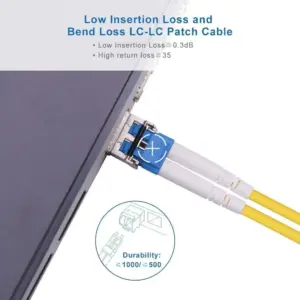
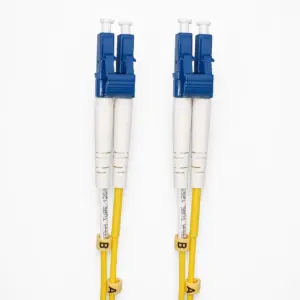
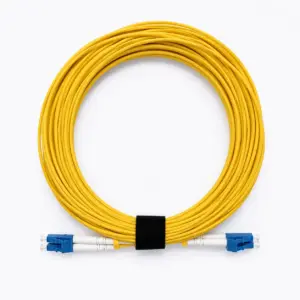
- OS2 fiber cables and SC/APC patch cords
- SFP+/SFP28 modules for OLT uplink
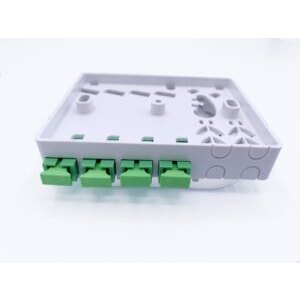
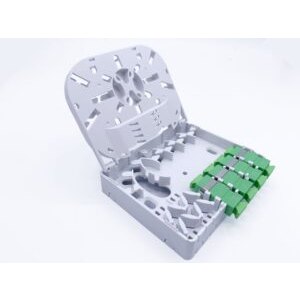
- ODF optical trays and 19" racks



FAQ — GPON vs EPON
1Can GPON and EPON be mixed on the same network ?
2GPON or XGS-PON for a new deployment ?
3What is the max distance, GPON vs EPON ?
4Is EPON simpler to deploy ?
5Cross-vendor ONU/ONT compatibility ?
EPON : more open protocol, better multi-vendor compatibility in practice. But still needs validation.
6Is a 1:64 or 1:128 splitter reasonable ?
- Low-activity subscribers (secondary residence, basic)
- XGS-PON architecture (10G shared absorbs oversubscription better)
- High-performance OLT with aggressive QoS
7Which standard for 5G fronthaul ?
8Where to buy PON splitters and accessories ?
In summary
GPON dominates in Europe and among major operators thanks to its rich QoS, mature OAM and XGS-PON roadmap. EPON remains relevant for cost-sensitive, simple and Asian deployments.
For 2026+, the choice shifts toward XGS-PON (ITU-T side) and 10G-EPON (IEEE side) — both offer 10 Gbps symmetrical and prepare for the future.